

Technology is rapidly evolving, but one of the most important developments in modern innovation is sustainability. Across industries, governments and companies are investing heavily in environmentally friendly solutions. The green technology trends 2026 are shaping a future where innovation not only drives economic growth but also protects the planet. These developments focus on reducing carbon emissions, improving energy efficiency, and creating sustainable systems for long-term environmental stability.
As climate concerns continue to influence policy and business strategies, organizations are adopting cleaner technologies at a faster rate than ever before. The green technology trends 2026 highlight how digital innovation, renewable energy, and smart infrastructure are working together to build a sustainable global economy. From energy production to transportation and manufacturing, these trends are transforming how industries operate.
Renewable Energy Expansion
Renewable energy remains a central pillar of the green technology trends 2026. Solar, wind, and hydroelectric power are becoming more efficient and accessible as technological advancements reduce costs and improve performance. Many countries are shifting away from fossil fuels and increasing investments in renewable energy infrastructure to meet environmental goals.
Solar panel efficiency has improved significantly in recent years, allowing households and businesses to generate more electricity using smaller systems. Wind farms are expanding both on land and offshore, producing large amounts of clean energy for national power grids. These innovations are a key part of the green technology trends 2026, helping reduce dependence on traditional energy sources while lowering greenhouse gas emissions.
Smart Energy Storage
Energy storage technologies are becoming increasingly important as renewable energy production grows. Batteries and advanced storage systems allow excess electricity to be stored and used when demand increases. These solutions are another example of how green technology trends 2026 are solving the challenges associated with renewable energy reliability.
Improved battery technology enables renewable energy systems to operate efficiently even when sunlight or wind is limited. As energy storage continues to advance, renewable power will become even more dependable and widely adopted across industries and households.
Electric Vehicles and Sustainable Transportation
Transportation is undergoing a major transformation due to the green technology trends 2026. Electric vehicles (EVs) are becoming more popular as manufacturers focus on reducing emissions and improving vehicle efficiency. Governments around the world are also encouraging EV adoption through incentives and environmental policies.
Electric cars, buses, and delivery vehicles are helping reduce air pollution and fuel consumption. Charging infrastructure is expanding rapidly, making it easier for consumers to switch to electric mobility. These changes demonstrate how green technology trends 2026 are influencing the transportation sector and encouraging sustainable travel solutions.
Smart Mobility Systems
Smart transportation systems are another important aspect of the green technology trends 2026. Technologies such as AI-powered traffic management, ride-sharing platforms, and connected vehicles are improving urban mobility while reducing environmental impact.
By optimizing traffic flow and reducing congestion, smart mobility solutions help lower fuel consumption and emissions. These innovations highlight how technology can improve transportation efficiency while supporting environmental sustainability.
Sustainable Manufacturing Technologies
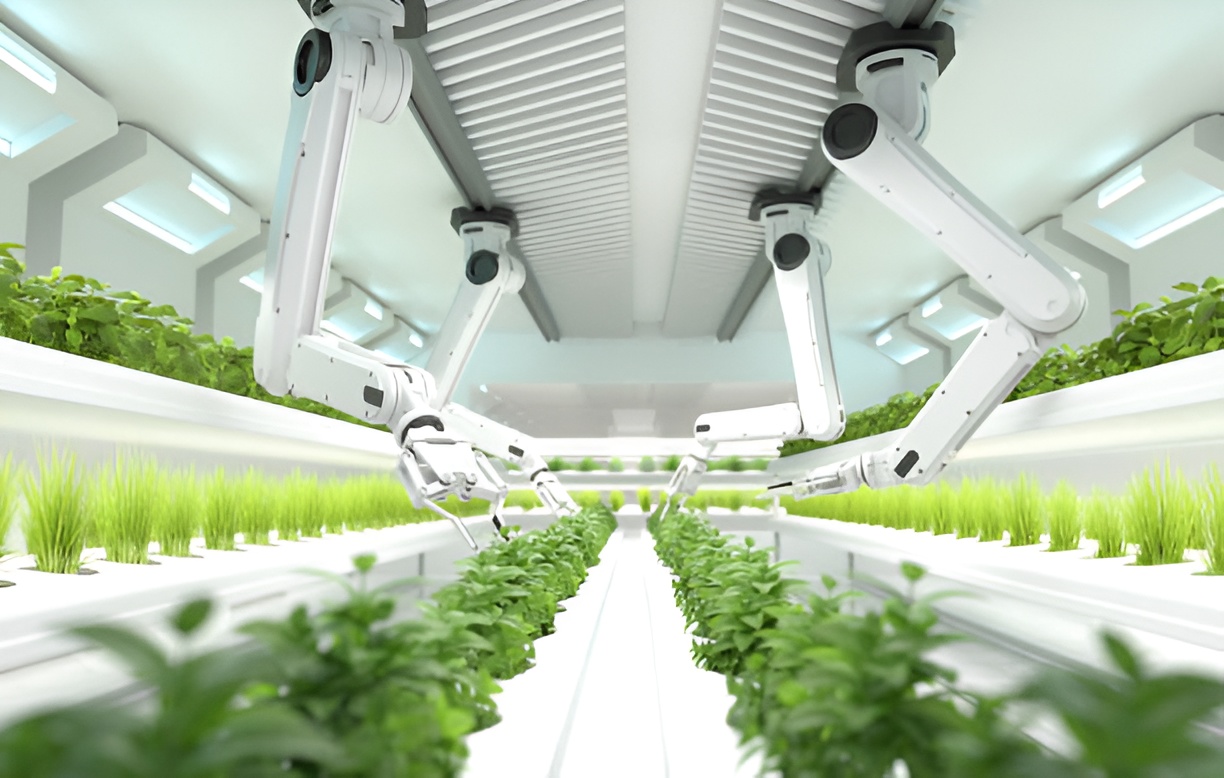
Manufacturing industries are also embracing the green technology trends 2026 by adopting eco-friendly production methods. Smart factories now use automation, artificial intelligence, and energy-efficient systems to reduce waste and minimize environmental damage.
Advanced manufacturing technologies enable companies to monitor resource usage, optimize production processes, and reduce energy consumption. These innovations ensure that industrial growth aligns with environmental protection goals.
Circular Economy Practices
The concept of a circular economy is gaining attention within the green technology trends 2026. Instead of producing goods that eventually become waste, businesses are designing products that can be reused, repaired, or recycled.
Circular production systems reduce the demand for raw materials and minimize environmental pollution. By adopting circular economy strategies, companies can achieve both economic efficiency and environmental responsibility.
Smart Cities and Green Infrastructure
Urban development is being transformed by the green technology trends 2026 through the creation of smart cities. Smart city technologies integrate sensors, data analytics, and automation to improve urban services while reducing environmental impact.
Green infrastructure includes energy-efficient buildings, intelligent transportation systems, and renewable energy integration within urban environments. These developments improve quality of life while reducing pollution and energy consumption.
Energy-Efficient Buildings
Buildings consume a large portion of global energy, making efficiency improvements essential. Modern architecture now incorporates sustainable materials, smart energy systems, and automated climate control technologies. These solutions are a major component of the green technology trends 2026.
Energy-efficient buildings reduce electricity consumption and operating costs while providing comfortable living and working environments. Smart lighting, automated temperature regulation, and eco-friendly materials contribute to sustainable urban development.
Artificial Intelligence for Environmental Solutions
Artificial intelligence is playing an important role in the green technology trends 2026 by helping organizations analyze environmental data and optimize sustainability efforts. AI-powered systems can monitor energy usage, detect inefficiencies, and recommend improvements.
For example, AI algorithms can predict energy demand, optimize renewable energy distribution, and improve agricultural productivity while reducing environmental impact. These intelligent solutions are accelerating the adoption of sustainable technologies worldwide.
Climate Monitoring and Data Analysis
Advanced data analytics and climate monitoring tools are another important part of the green technology trends 2026. Satellites, sensors, and environmental monitoring systems collect valuable data about climate patterns and ecosystem health.
This information helps scientists and policymakers make informed decisions about environmental protection and resource management. By combining data analysis with innovative technology, global efforts to address climate challenges become more effective.
Green Innovation in Consumer Technology
Consumer technology is also evolving to align with the green technology trends 2026. Electronics manufacturers are focusing on energy-efficient devices, recyclable materials, and longer product lifecycles.
Smart appliances, energy-efficient smartphones, and eco-friendly gadgets reduce electricity consumption and minimize electronic waste. These innovations allow consumers to participate in sustainability efforts while enjoying advanced technology.
Sustainable Product Design
Sustainable design focuses on creating products that are durable, repairable, and environmentally friendly. Companies are investing in research and development to produce technology that balances performance with environmental responsibility.
These design strategies demonstrate how the green technology trends 2026 are influencing not only industrial innovation but also everyday consumer products.
Conclusion
The green technology trends 2026 are redefining global innovation by combining technological advancement with environmental responsibility. Renewable energy, electric transportation, sustainable manufacturing, smart cities, and AI-driven environmental solutions are all contributing to a more sustainable future.
Businesses, governments, and individuals are increasingly recognizing the importance of adopting green technologies. These innovations not only address climate challenges but also create economic opportunities and improve quality of life worldwide.
As technology continues to evolve, the green technology trends 2026 will play a critical role in shaping a cleaner, more efficient, and more sustainable global economy. By embracing these trends, societies can move toward a future where innovation and environmental protection work together to support long-term prosperity.
